
Where to Stay in Spain: Hotels, Paradores & Accommodation Types Explained
Spain’s accommodation options are more varied than most travelers expect. From a rural guesthouse in the Pyrenees to a 5-star luxury hotel in Barcelona, where you stay in Spain affects everything from your daily pace to the kind of experience you have.
I put together this Spain accommodation guide to help you understand the different types of stays across the country — from boutique hotels and historic Paradores to rural guesthouses, hostels, and luxury properties and determine the right stay for your trip.
Whether you’re planning a family vacation, slow-travel itinerary, or food-focused city break you’re in the right place.
Planning a trip to Spain and not sure where to start? As a travel advisor, I help travelers match the right accommodation style to their itinerary, travel pace, and budget. Explore my Spain planning services to see how I work.
Quick Advisor Takeaways
- A Hostal is not the same as a Hostel. It’s a private-room guesthouse.
- Paradores require advance planning, and the most popular properties sell out 3–6 months ahead.
- Casa Rural pricing can be tricky so read the details carefully. Many require a 2-night minimum.
- Gran Lujo (GL) is Spain’s highest official hotel classification — above 5-star, but not always the most characterful stay.
- Fincas and Haciendas are concentrated in Andalusia and Extremadura.
- Tourist tax (tasa turistica) is charged separately at check-in in Barcelona and the Balearic Islands; budget 1 to 4 euros per person per night.
Historic & Unique Stays in Spain

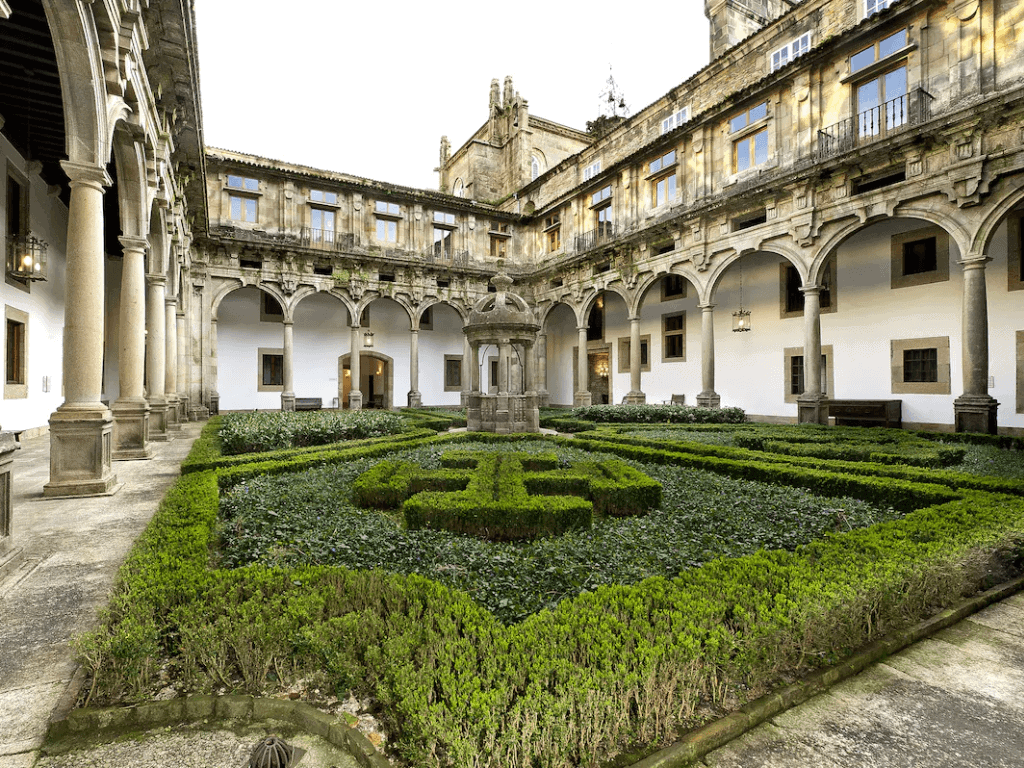
Spain offers some of Europe’s most distinctive heritage accommodations. The best-known example is are paradores, state-owned heritage hotels often housed in converted castles, monasteries, fortresses, and historic palaces.
The Paradores network is operated by Paradores de Turismo de España, a state-owned hospitality company focused on preserving historic properties through tourism. Some heritage sites in Spain also fall under Patrimonio Nacional, which manages royal palaces and monuments, although not all are operating hotels.
Beyond Paradores, Spain also has beautiful independently owned boutique heritage stays, including restored casas palacio in Andalusia, countryside fincas in Mallorca, wine estates in La Rioja, and even cave accommodations in places like Guadix.
For a comprehensive guide to the Parador network and my top picks by region, see my Boutique Hotels, Paradores & Unique Stays in Spain guide.
Hotels vs. B&Bs in Spain

Hotels, guesthouses, hostales, and pensiones make up the majority of accommodation options across Spain. Spain does not commonly use the term “B&B” in the same way as the UK or U.S., but the latter terms would more or less fall into that category.
Traditional hotels offer the widest range of amenities and consistency, while smaller B&B-style stays often provide a more personal and local experience. In many Spanish cities, family-run hostales and pensiones are a middle ground — simpler than full-service hotels, but often more affordable and centrally located.
The right choice usually comes down to your travel style, budget, and how much service or privacy you want during your trip. I often recommend B&B-style properties for budget travelers.
Boutique & Luxury Hotels in Spain
Spain’s luxury and boutique hotel market has expanded significantly in the last decade. Design-led properties in cities like Seville, San Sebastián, and Barcelona now compete with the best in Europe.
These hotels often feature rooftop terraces, wellness facilities, and Michelin-starred dining, providing a contemporary high-end experience at a good value to price ratio.
Spain’s official hotel classification uses Gran Lujo (GL) as its highest tier. This is above 5-star is reserved for properties meeting additional service and facility standards. However, I find the GL designation less useful than the property’s description itself. A well-run 4-star boutique hotel in a converted Seville palacio will outperform a generic GL property on atmosphere every time.
Rural Retreats: Casas Rurales & Agrotourism

Casas Rurales are Spain’s rural guesthouses, family-run properties nestled in the countryside, mountains, and wine regions.
For a full guide to rural stays across Green Spain, Andalusia, and the interior, see my Casa Rural and Agritourism Options Across Spain guide.
The rural accommodation category also includes Fincas (working agricultural estates, particularly in Andalusia and Extremadura) and Haciendas (historic manor houses, most common in Seville province). Agroturismo is the formal classification used in the Basque Country and Navarra, offering a similar experience to Casas Rurales but with a stronger emphasis on working farm activities.
Rural stays offer an authenticity that city hotels cannot replicate and are ideal for travelers seeking immersion and slow travel experiences.
Budget Stays & Hostels in Spain

Spain has an excellent range of budget accommodations, from social hostels and surf lodges to simple guesthouses and modern “poshtels” with private rooms and coworking spaces. In fact, budget travel in Spain is often far more comfortable and design-focused than many travelers expect.
Hostels are especially popular in cities like Barcelona, Madrid, Valencia, and San Sebastián. Many properties cater to solo travelers, digital nomads, Camino hikers, and younger travelers looking for a social atmosphere. My guide on hostels in Bilbao illustrates the different types of properties available.
For detailed advice on choosing budget stays, reading reviews, and finding the right fit for your travel style, see my Hostel, Guesthouse & Budget Stays in Spain guide.
Spain Accommodation Comparison Table
The table below is the framework I use when matching clients to accommodation types — it is a starting point, not a rule. I use this table as a starting framework with every client — the right answer depends on the specific region, travel dates, and group size.
How to Choose the Right Accommodation in Spain
Spain has a wide range of accommodation styles, and the right choice depends less on star rating and more on the kind of trip you want to have. Read more to find your ideal stay.
1. History & Culture Travelers
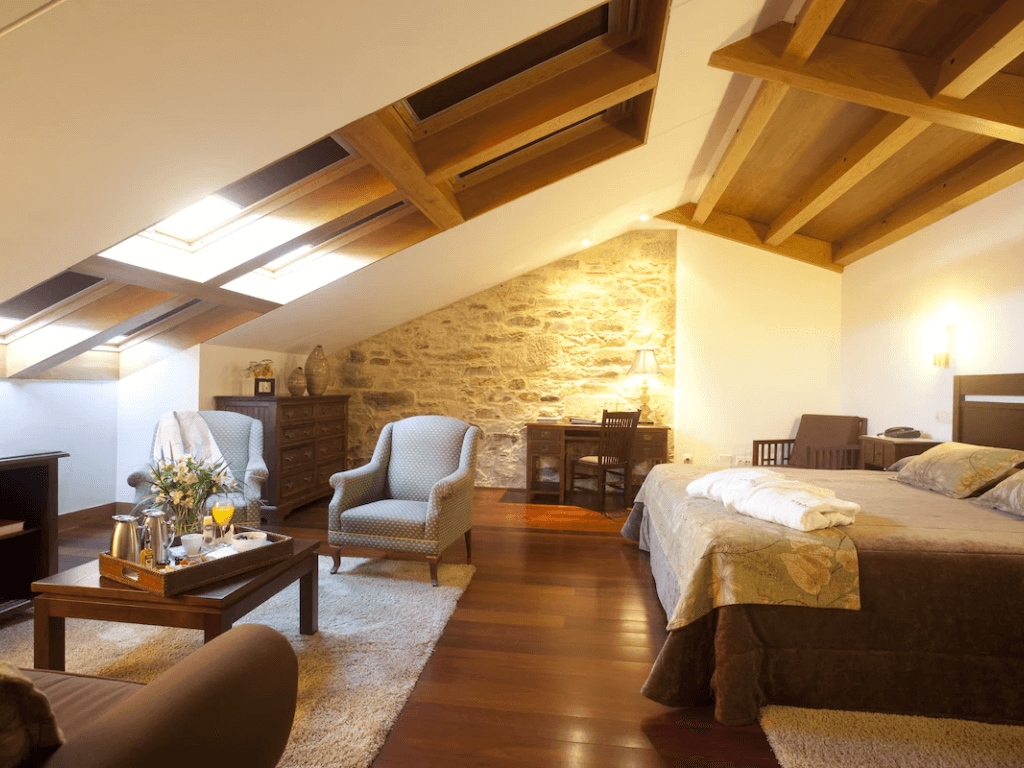
Best Match: Paradores, historic hotels, monasteries, and heritage stays
If the accommodation itself is part of the experience, Spain’s historic stays are hard to beat. From converted monasteries to medieval fortresses, these properties offer atmosphere and regional character you simply will not find in chain hotels.
2. Slow Travelers & Rural Escapes
Best Match: Casas rurales, agrotourism stays, and countryside guesthouses
For travelers who want a slower pace, rural Spain offers some of the country’s most memorable accommodations — olive farms in Andalusia, vineyard stays in La Rioja, and quiet countryside retreats in Galicia or Asturias. These stays work especially well for travelers prioritizing nature and a stronger connection to local life.
3. First-Time Visitors
Best Match: Centrally located hotels, hostales, and apartments
If it’s your first trip to Spain, staying central usually makes the trip smoother. Madrid, Barcelona, Seville, and Valencia all have excellent accommodation options within walking distance of major sights, restaurants, and train stations.
4. Couples & Special Occasion Trips
Best Match: Boutique hotels, luxury stays, and scenic Paradores
Spain’s excellent boutique hotel scene work particularly well for honeymoon trips, anniversaries, and travelers looking for atmosphere, design, and a more elevated experience.
Luxury accommodations in Spain range from contemporary city hotels with rooftop terraces and wellness facilities to historic palace hotels with Michelin-starred dining.

5. Food & Wine Travelers
Best Match: Boutique hotels, wine estates, and gastronomic stays
For food-focused trips, where you stay can shape the entire experience. Boutique hotels in culinary cities like San Sebastián, Seville, Barcelona, and Valencia often place you within walking distance of tapas bars, wine bars, markets, and fine dining restaurants.
Wine-focused travelers may also want to consider vineyard stays and rural fincas in regions like La Rioja, Ribera del Duero, or Mallorca.
6. Budget & Social Travelers
Best Match: Hostels, guesthouses, and budget-friendly hostales
Spain is one of Europe’s best countries for budget travel, with everything from stylish “poshtels” to simple family-run guesthouses. Many hostels also offer private rooms for travelers who want affordability without committing to a dorm setup.
Hostels and social guesthouses can also be a great option for solo travelers, digital nomads, and travelers looking to meet other travelers.
My Booking & Check-In Tips for Spain
Tourist Taxes: Many cities charge a tourist tax per night, usually collected at check-in or check-out. This fee supports local tourism infrastructure and varies by region and accommodation type, but is typically a few euros per day.
Check-in Times: Typically mid-afternoon to early evening — often later than in the US. I usually suggest confirming your arrival time with your host or hotel to avoid any delays or confusion. If you have loyalty status with major hotel brands, you may request early check-in and/or late check-out.
Reading Reviews: Use platforms like Booking.com or Expedia for descriptions and guest feedback. For detailed advice on interpreting reviews, see my guide to affordable Spanish accommodations.
Tipping Culture: Tipping is appreciated but not mandatory. Small change for housekeeping or restaurant staff is customary if you receive good service.
Elevator Realities: Many historic buildings lack elevators, so be prepared for stairs, especially in older hostels, hotels, and guesthouses.
Seasonal Closures: Some rural accommodations and family-run guesthouses close seasonally, so I recommend checking availability well in advance.
Apartment Check-in Logistics: Apartments often have self-check-in or a host with meet you for a short orientation and key exchange. Confirm details before arrival to ensure a smooth process. Communication is typically done via WhatsApp text.
Frequently Asked Questions — Accommodation in Spain
What is the difference between a Hostal and a Hostel in Spain?
This is the #1 point of confusion for many first-time visitors. A Hostal is a family-run guesthouse with private rooms and bathrooms (think 1 or 2-star hotel). A Hostel (or albergue) is the shared-dorm model for backpackers. Always double-check the room type before you click “book.”
Are Paradores worth the price?
In my experience, yes, paradores are worth it for the historic atmosphere and central locations in smaller cities (like Granada or Ronda). I recommend booking them for 1–2 nights as a “special” experience rather than using them for your entire trip, as the interiors can sometimes feel a bit dated compared to modern boutique hotels.
How far in advance should I book my stay?
For the peak summer months (June–August) and major festivals, I recommend booking 3–4 months in advance. For off-season travel, 4–6 weeks is usually sufficient. If you’re eyeing a specific Casa Rural in a popular region like the Picos de Europa, book as early as possible—the best ones fill up fast.
What is the tourist tax, and how do I pay it?
Spain’s tourist tax (tasa turística) is a small nightly fee (usually €1–€4) charged per person in many cities. It is not included in your online booking total. You will pay this separately at check-in or check-out, usually via credit card or cash directly to the hotel.
Choosing the Right Region for Your Stay
Once you’ve identified the right accommodation type for your trip, the next decision is which region of Spain to base yourself in — and that choice will narrow your options considerably. For instance, a Finca makes no sense in Madrid and a city hotel makes no sense in rural Galicia.
Head to my Spain Regions Travel Overview to match your accommodation type to the right part of the country to get started.
Let’s Plan Your Trip!
Work with a Spain Travel Agent
Planning a trip to Spain? Whether you’re looking for a custom itinerary, a private tour, or a group adventure, I’d love to help bring your Spain travel plans to life. Tell me a little about your trip below, and I’ll be in touch to discuss how I can help!